You start thinking about fertility and baby-making when you are ready to expand or start a family. You may be shopping for prenatal vitamin and searching for the best ovulation apps, but you might also wonder what you can to do increase your chances of becoming pregnant.
Contrary to popular belief, certain foods do not significantly affect fertility. prepares your body for pregnancy by preparing it with healthy eating habits and other healthy habits.
The women’s health specialist Jenna Rehmer MD discusses infertility, the common causes, and what you can to do increase your chances.
What foods can you eat to increase fertility?
What you eat can have a slight effect on fertility. It’s not even the most important factor.
“If you have fertility problems, it is probably not due to a lack in nutrients or the wrong foods,” explains Dr. Rehmer. Infertility is often traced to weight and age.
Because weight affects hormones and hormones can affect fertility, weight is important. Too much estrogen can disrupt your hormone balance, preventing ovulation. You can’t become pregnant if you aren’t ovulating.
Dr. Rehmer states that polycystic Ovarian Syndrome (PCOS) can also be a cause of infertility. This is especially true for overweight individuals. PCOS is a condition where your body produces excess androgenic hormones (male hormones) that interfere with ovulation.
Best foods for fertility
Do there exist “best” foods to try and get pregnant? Not quite. Not exactly. Dr. Rehmer says eating healthy before getting pregnant is more about maintaining a healthy weight than eating specific foods.
Mediterranean Diet: Balanced nutrition
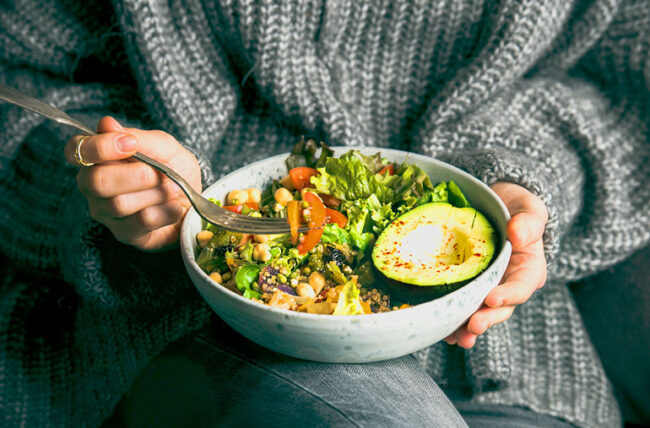
The Mediterranean Diet is a great guide to balanced nutrition if you are preparing for pregnancy. This is also useful if you are trying to lose weight.
The Mediterranean diet is based on:
- Beans and legumes.
- Healthy seafood
- Lean meats.
- Olive oil.
- Vegetables.
- Whole fruits
- Whole grain.
Choose whole foods, which are low in sugar but high in nutrients. Avoid sugary foods or processed food. If you don’t care for food rules or diet trends, try intuitie dining. You listen to your body instead of following rules on what to eat or how much.
There are some nutrients that you should consider when trying to get pregnant.
Folic acid is important for prenatal care
Folic acid (vitamin B9) can help prevent certain birth defects. It may also reduce nausea and vomiting that are caused by hormonal changes during pregnancy.
You can also get folic acids from foods if you don’t take a prenatal supplement. You can also get it by combining foods with a prenatal vitamin. Aim to consume 400 micrograms per day of folic acids.
The following foods are high in Folic acid:
- Breakfast cereals fortified with Folic acid.
- Beef liver.
- Spinach.
- Beans.
- Asparagus.
- Rice.
- Leafy greens.
Complex carbohydrates
Certain carbs are healthier than others. The key is to keep your blood sugar low and stay full for longer.
Sugary carbs spike your blood sugar, which is not good for you or your ability to get pregnant. Complex carbs have more fiber and proteins. Sugary carbs can spike your blood sugar and cause problems for your health. Complex carbs are also richer in nutrients such as minerals.
Complex carbohydrates include:
- Beans and legumes like split peas, black beans, chickpeas , and lentils.
- Sprouted whole grain breads.
- Whole grains like wild rice and buckwheat.
What are the supplements that can help with fertility?
Dr. Rehmer says that supplements won’t solve the majority of fertility issues. Too much of certain nutrients can be harmful. A healthy diet that includes whole, unprocessed food and a good Prenatal Vitamin is the best option.
What other fertility measures can you take?
Some reasons for infertility, such as age or family history of certain medical conditions, are out of your control. You can still take steps to help you get pregnant. Dr. Rehmer recommends:
- Do not smoke or use alcohol, drugs (including marijuana) or other substances.
- Limiting caffeine.
- Healthy eating is important.
- Exercising regularly.
Dr. Rehmer says that it’s good to take care of your health, which includes eating healthy, exercising, and reducing stress. But don’t think that these things will solve your fertility issues.
She says that the majority of fertility problems she sees are related to:
- Obesity and its effects on health can be a cause of hormonal imbalances.
- Maternal Age. Women and those who were assigned female at birth ( , AFAB) begin to lose fertility around 35 years old and it drops sharply by 39.
Speak with a healthcare professional
Don’t troubleshoot your problems on your own if you are having difficulty getting pregnant.
“Some people try things that do not really affect fertility, but they let years pass,” says Dr. Rehmer. Waiting a few more years to get pregnant can make the difference in getting pregnant or not.
Some people say that you should wait a year to seek help before trying to get pregnant. Dr. Rehmer recommends that you consult a ealthcare provider sooner, if your periods are irregular or you’re over 35.
Infertility can be treated in many ways, but you should not wait. You and your doctor can work together to determine your fertility status and the best way to increase your chances of becoming pregnant.